
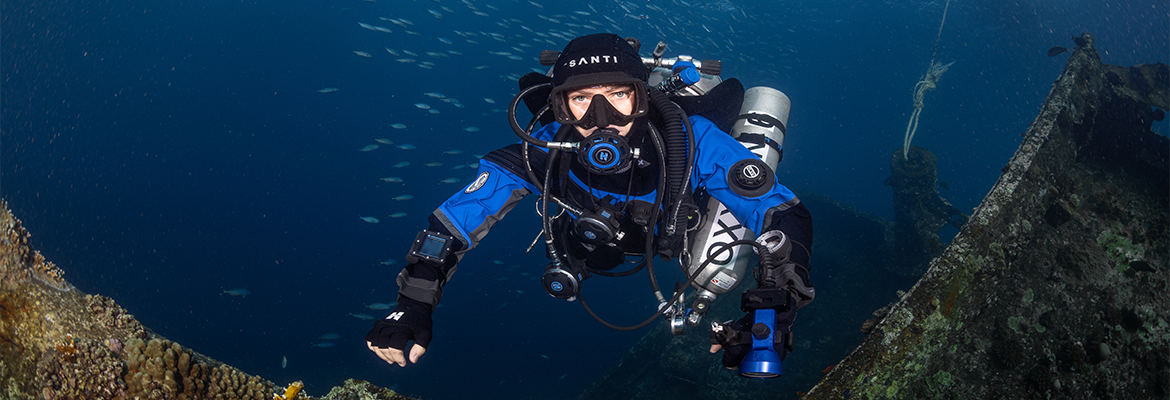
When most people think of scuba diving in the United Arab Emirates, they picture boiling summer days, endless sunshine, and water temperatures that feel more like a warm bath than an ocean. For casual vacationers doing a quick shallow dive off the coast of Dubai, a 3mm wetsuit—or even just a rash guard—is usually plenty.
But if you ask the certified local diving community, the technical divers, and those who dive year-round, you'll hear a different story.
Despite the desert climate, a growing number of UAE divers are ditching their neoprene wetsuits and investing in high-quality drysuits. Why? Because when you transition from casual recreational diving to deep wrecks and multi-dive weekends, staying warm and dry becomes the ultimate luxury. If you’ve been on the fence about upgrading your exposure protection, here are five reasons why a drysuit is a game-changer in the UAE.
1. The Gulf of Oman's Unpredictable Thermoclines
The East Coast of the UAE (Fujairah) and the nearby Musandam Peninsula offer some of the best diving in the region, complete with dramatic topography and rich marine life. However, these waters are heavily influenced by deep ocean currents.
While the surface temperature might be a balmy 30°C (86°F), descending just 15 to 20 meters can mean hitting a brutal thermocline. It is not uncommon for temperatures to drop suddenly by 5°C to 8°C. Hitting a wall of 22°C water when your body is acclimated to 30°C is a shock to the system. A drysuit completely neutralizes these sudden temperature shifts, allowing you to focus on your dive rather than your shivering core.
2. The UAE Winter Chill (January to March)
The UAE does have a winter, and the ocean feels it. Between January and March, water temperatures in the Arabian Gulf and the Gulf of Oman can drop to around 20°C to 22°C (68°F–71°F).
While that might still sound warm to divers from Northern Europe, it feels surprisingly cold when you're submerged for 45 minutes. More importantly, the real enemy is the surface interval. The wind chill on a fast-moving dive boat heading back to the marina in February is notorious. Sitting in a soaking wet, clinging wetsuit in the wind drains your body heat incredibly fast. In a drysuit, you simply unzip, stay completely dry in your undergarments, and enjoy the ride back in absolute comfort.
3. Long Decompression Stops for Technical Divers
The UAE is a growing hub for technical diving, largely due to a handful of incredible +40-meter wrecks off the coast of RAK and legendary East Coast sites like the Ines, the Anita, and the World War II submarine U-533. Technical diving on these deeper sites means extended bottom times, followed by lengthy decompression obligations.
Hanging onto a shot line at 6 meters for 45 minutes doing decompression is a recipe for hypothermia if you aren't properly protected. Heat is drawn away from the body 25 times faster in water than in air. For these demanding dives, a robust and flexible drysuit is mandatory equipment. Many local tech divers swear by the SANTI E.LITE PLUS and SANTI E.MOTION PLUS drysuits, which offer the perfect balance of rugged durability for wreck penetration and the flexibility needed to execute complex valve shutdowns.
4. Defending Core Temperature on Repetitive Dives
Whether you are on a liveaboard trip up to Musandam or just doing a three-dive day trip out of Fujairah, repetitive diving takes a massive toll on your core body temperature.
Even in 28°C water, doing three 60-minute dives in a single day will eventually leave you chilled. Once your core temperature drops, fatigue sets in rapidly, your air consumption increases, and your risk of decompression sickness goes up.
By utilizing a drysuit combined with a high-quality undersuit like the SANTI BZ400X and thermal protection like Fourth Element Hotfoot Pro Drysuit Socks, your core temperature remains perfectly stable. You stay warm from the first giant stride to the final safety stop.
5. Surface Comfort and Hydration
One of the biggest unspoken benefits of a drysuit is hydration. Proper hydration is critical for divers to prevent decompression sickness. However, divers in wetsuits often purposefully dehydrate themselves because peeling off a wet, sticky wetsuit on a cramped boat to use the restroom is a miserable experience.
With a drysuit, you can install a pee valve. Pairing a Halcyon Streamline Balanced P-Valve with your suit means you can drink plenty of water before your dive, stay fully hydrated, and relieve yourself comfortably underwater without compromising your thermal protection. Furthermore, managing your suit's buoyancy is easier than ever with dedicated inflation setups like the Halcyon 14cf Drysuit Inflation Cylinder Straps. This keeps your breathing gas completely separate from your suit inflation.
Is a Drysuit Worth It in the UAE?
If you are a diver who only hits the water once or twice during the peak of summer, a wetsuit will serve you fine. But your needs change if you are expanding your limits into technical diving or diving year-round through the winter months. If you are simply tired of freezing on the boat ride home, a drysuit is one of the best investments you can make in your diving career.
Ready to make the switch? Gear up with the world's best exposure protection. Explore our full range of premium drysuits, thermal undersuits, and technical accessories at the Deep Dive Dubai Online Shop.
Share:
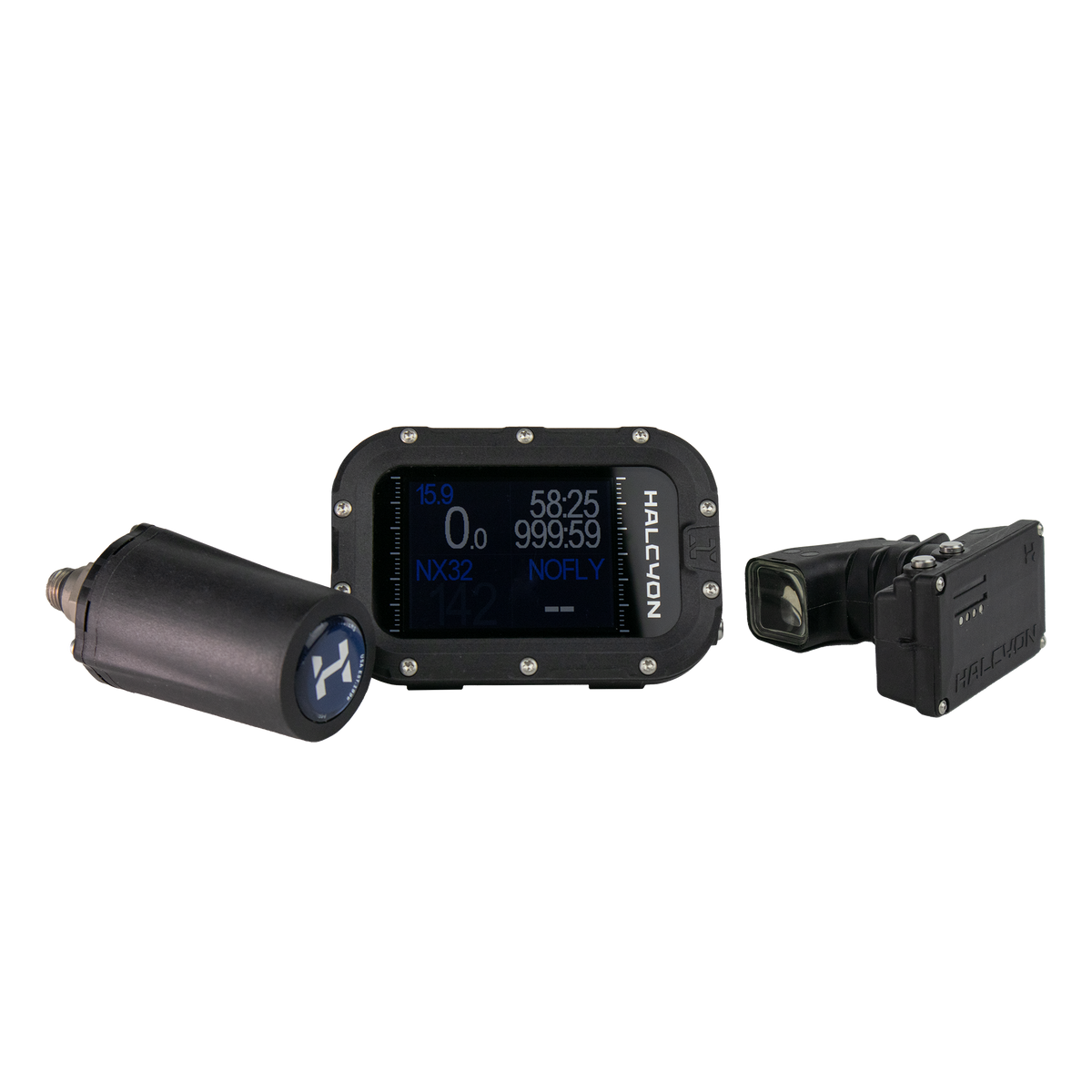
Halcyon Symbios Ecosystem: A Smarter, More Connected Way to Dive